The Polish Center of Discovery and Learning is a Gem of New England (5 stars)
Based near Springfield, The Polish Center of Discovery and Learning is a Polish American Museum that is a worthy trip when you’re heading out to the Berkshires for fall foliage. They are one of the small but potent New England gems that I founded Events INSIDER to discover.
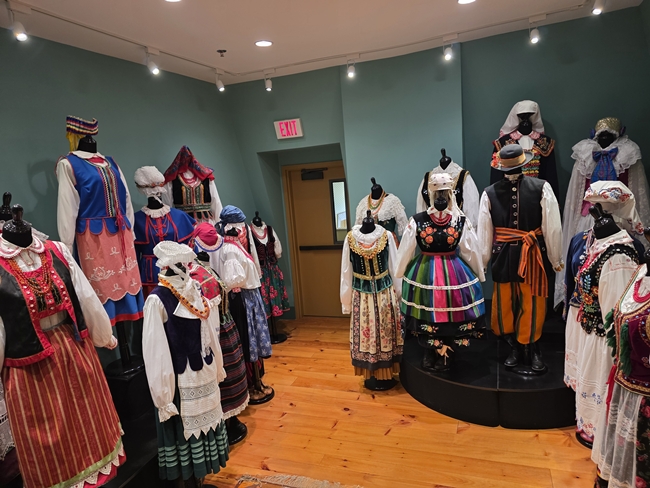
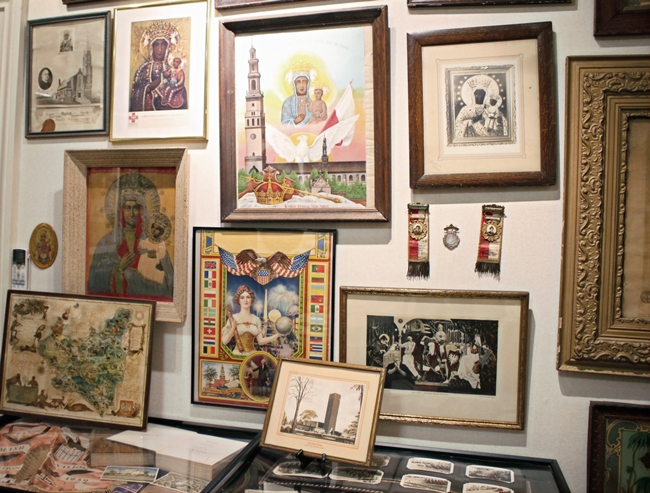
When you visit, you get a guided tour that takes you through the entire museum. My tour guide had bright energy and you would never guess that she must have given the tour a hundred times before. You’ll learn about distant history and see traditional Polish folk dress. You’ll learn about World War I and II and the immigrant experience coming to America. You’ll find all types of art and music, and there’s even an entire Polish cottage in the museum showing what life was like back in the day.
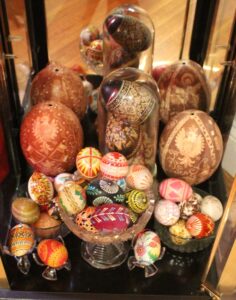
It’s great. I love the pride that people take in their heritage. The museum is well-balanced, not avoiding the tragedies but also not getting lost in them. They run a variety of events, too, such as painting Slavic eggs or learning about folk dance and traditional dress. Poland is of course right on the border of the war in Ukraine. It’s a good time to acknowledge, learn, and support the Polish American community.
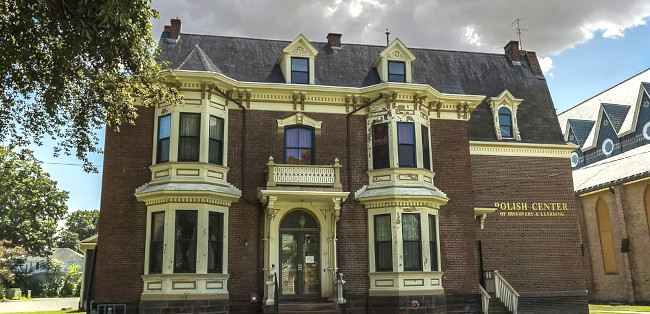
Stephanie, the assistant curator, very kindly agreed to an interview.
Events INSIDER: What do you tell people about the Polish Center of Discovery and Learning?
Stephanie: We are a three-floor museum with 18 rooms and galleries, that not a lot of people know about, directly on Polish history. So we have galleries on folk dress, folk art, Journey to America, where Polish families came over to establish their lives here. As well as other unique things such as the Second World War, as well as businesses and their music gallery with local Polish musicians of the time. And where else are you going to find a little slice of Polish life in Western Mass?
Events INSIDER: Here in Massachusetts, we think of immigrants as the Irish or the Italians. Is there a sizeable Polish community here?
Stephanie: There is a sizable Polish community, especially here in Chicopee, where many Poles came over to actually work in the mills and factories in the area, as well as in Ludlow and Holyoke, which also had really big mills that produced jute, such as the Ludlow mills around 1907. And then, those Poles who even if the mills closed, they stayed local.
Events INSIDER: What’s your big annual event?
 Stephanie: It’s our Krakus event, which we have in November, and where we give commemorations to those who had special roles at the Polish Center during the year. One girl scout got her Gold Star Award, and she did her project with a passport here. Each gallery here has a different item for a child to look for and they can put a travel sticker on it so that it will be like their passport, like they traveled through Poland.
Events INSIDER: What’s the most surprising thing about Polish Americans that people don’t know?
Stephanie: I actually only learned this a few months ago was that there were Polish immigrants who came to the United States and lived in Jamestown back when immigrants were coming to Jamestown and the foundation, and they were glassblowers.
Events INSIDER: Wow. The 1600 colony that was even before Plymoth.
Stephanie: And, of course, Wojtek, our soldier bear, in which we have in our second World War II gallery and his story where he was just a baby bear found by a little boy who ended up in the hands of Polish soldiers and became Corporal Wojtek, surviving the Battle of Monte Casino and World War II.
Events INSIDER: And could carry timber.
Stephanie: Yep. He could carry wood. He was often also seen with artillery shells. He also guarded their trucks when they would go on supply runs. He would sit inside and nothing was ever stolen.
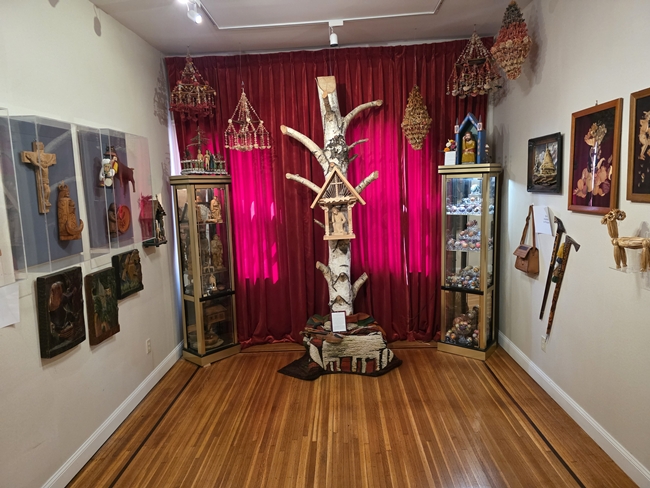
Events INSIDER: I’m amazed that you have an entire Polish cottage in the museum. Could you tell us about that?
Stephanie: Yes, this is our Polish “chata”. All items were brought from Poland to the United States into shipping containers with government clearance. It represents a Polish home that would’ve been abandoned at the turn of the 20th century when Poles were moving to the United States.
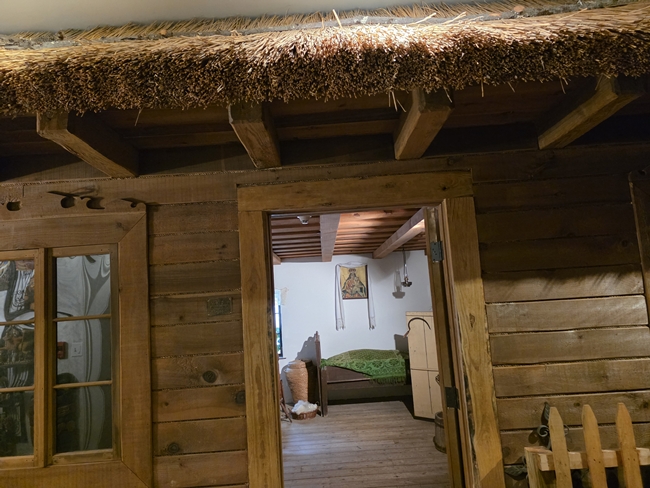
Events INSIDER: So the year 1900, just before electricity.
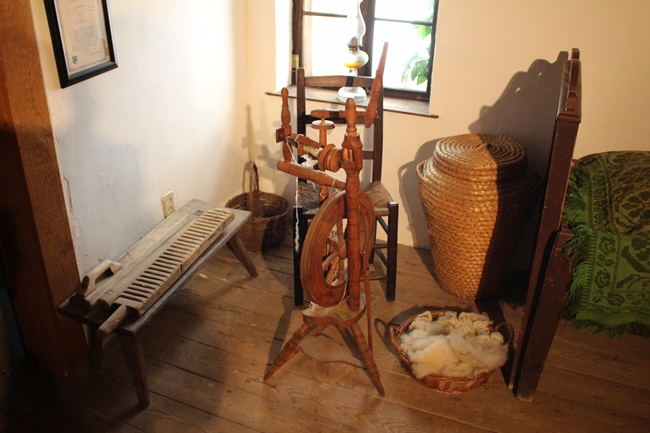
Stephanie: Yep, just before electricity. So we also have an oil lamp on display, the old style irons that you would put coal inside of. And we also have dried mushrooms that came from Poland. That was a big staple in Poland as well because they could be foraged.
Events INSIDER: What else can you tell us?
Stephanie: Probably just the mention of our Krystyna Farley folk dress gallery in which we have 32 of her handmade Polish folk dresses on display. And each of them are very different as they range from the northern tip all the way to the southern tip of Poland.
Events INSIDER: Thank you very much.
Stephanie: Thank you! That was fun.
For more, see polishcenter.net.